A Trip to the Museum
Remember. Our liturgy for today will implore us to remember that we are not the creator of the universe.
“Remember that you are dust…
…and to dust you shall return.”
It’s not depressing; it’s right sizing. It’s not the only way to remember—it’s not we who are in charge; but as far as dramatic, a reminder of our mortality accompanied by a confession, yup, that will do it.
Here’s another way.
Do you remember me telling you about one of favorite spiritual memories?
It comes from my time as a seminary intern in the South Bronx. I took a group of middle school students to an art museum in Manhattan—the old Whitney museum on Lexington Avenue.
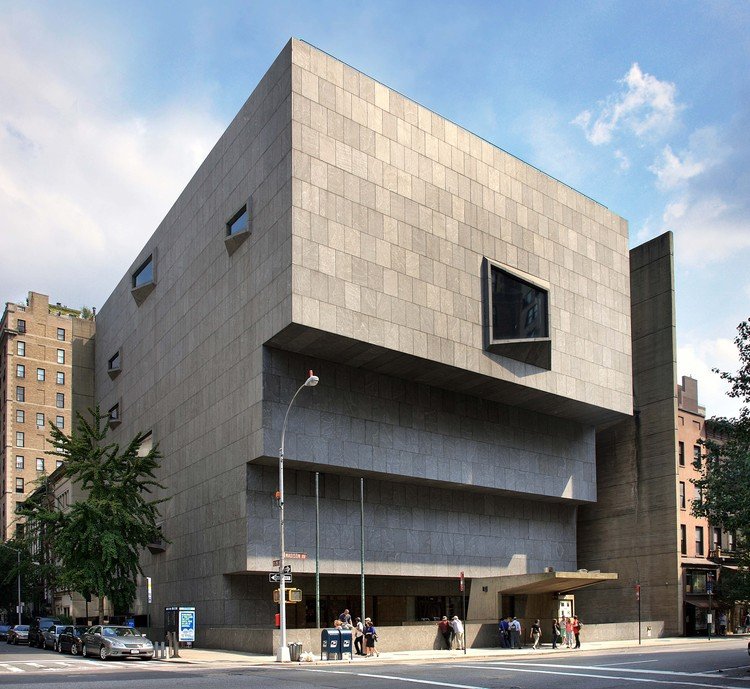
The intention of the trip was to enlarge the cultural perspective of six kids who lived in the poorest congressional district in the country.
As someone who spent their childhood in small towns largely ignorant of a wider world, I believed, as had been the case for me, that education and cultural appreciation would open new opportunities and a new world to the kids.
I was surprised when the trip helped me remember. I am not the center of the universe. I don’t have the answers.
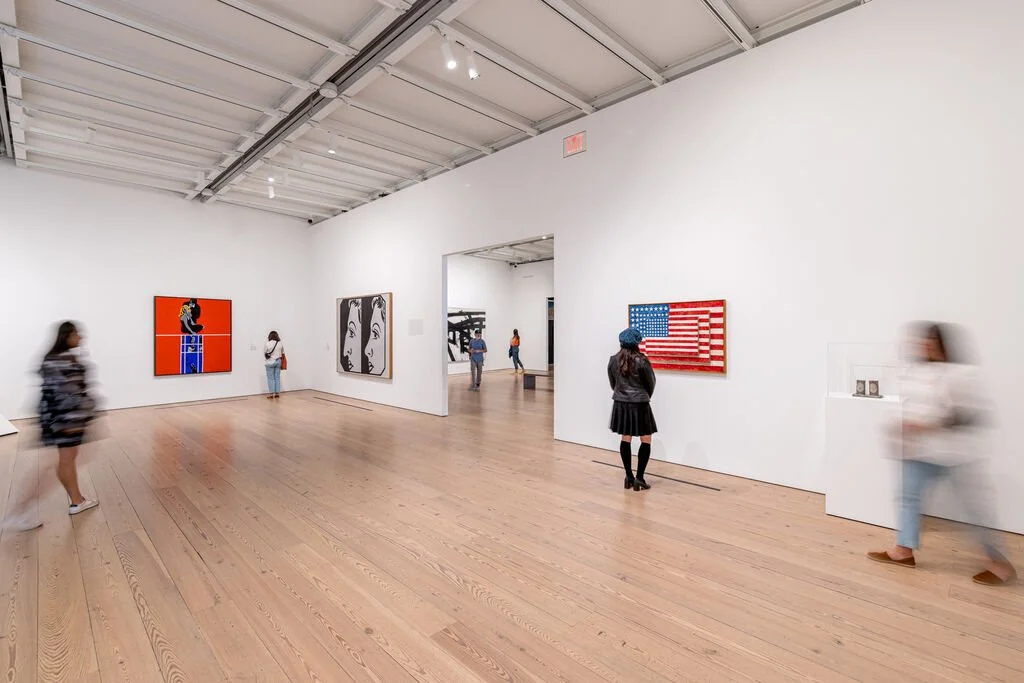
Here’s what I mean. As preparation for the trip I created a guide to the museum. Preteens were assigned to find a series of paintings and write down the name of the artist and the title of the picture. After they had accomplished this goal I asked them to bring the results back to me.
I had anticipated the project would take them an hour. During which time they would fall in love with the beauty of art and ask “Do we have to leave?” To which I’d reply, “I’m sorry, yes. But you can come back anytime you like.”
Of course, this didn’t happen.
The kids finished their assignment in roughly five minutes - nearly sprinting down the hall asking if it was time for lunch yet.
I needed a Plan B.
So, I had the entire group take me to the paintings they had found. While the rest of the group fidgeted I took each student one by one in front of a painting and said, “Tell me, what do you see?” A man, a boy, a clown. The first answers were superficial - tell me more.
What is the man doing?
What is the name of the boy?
What would the clown look like without his costume?
Much to their surprise they began to create long narratives about the paintings. “His name is John. He has two children but doesn’t see them much. His brother does most of the looking after.”
Much to my surprise, the narratives seemed to be about the lives of the children and not the paintings.
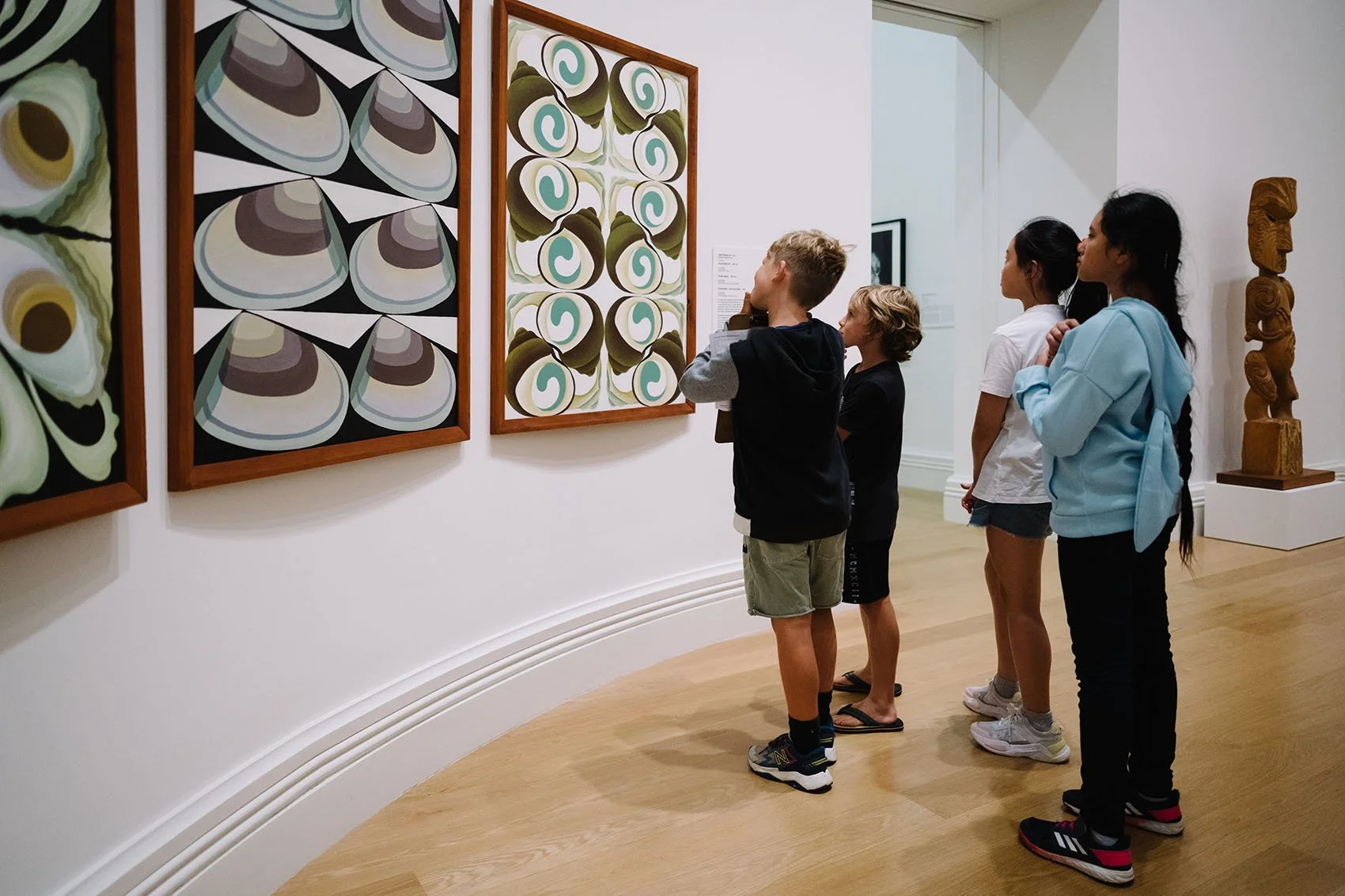
I learned something that day about the power of art - not to create a larger appreciation for particular movements in history - but for art to tap into a deeper part of ourselves.
It was a spiritual lesson. One which I think fits with the Bible and Ash Wednesday as well.
The truth is, I think that churches for a great many people function as museums.
Shortly after I graduated seminary many years ago an article appeared in a magazine which popular intellectual atheists, Christopher Hitchens and Richard Dawkins, conceded that churches may have a purpose - to be museums of paintings, stained glass windows and classical music.
I’m not so sure they’re wrong. For a great many of us, we stand like fidgety middle schoolers in front of the great stories of faith and see a man, a boy or something clownish and silly. Perhaps some see scholarly periods of religious history. They believe as I did about art, that good theology or Biblical literacy will inspire a meaningful way of living.
The pressing question, which I failed to ask about art and what too many religious fail to ask about the Bible, is, do we see our own lives and those of our neighbors illustrated?
How do you begin to see your life in a way which is perhaps deeper and more mysterious than it has occurred for you to imagine? While at the same time remembering you are not the author of the universe.
The insight will come, I hope, as you begin to uncover the life of Jesus and Isaiah and John and Elijah and Jeremiah - in images and words.
Sitting in awe of these people of faith perhaps you too will begin to share, “His name is John. He has two children but doesn’t see them much. His brother does most of the looking after.”
Which is to say perhaps you will begin to see your life within a larger picture of holiness.
For where your treasure is there will be your heart also.